Dimraeth Gameplay Guide: Combat, Progression and Co-op Loop
How Dimraeth gameplay fits together in Early Access: the combat loop, XP-as-currency progression, resting, deeds, and the day cycle, explained system by system.
Last checked: 2026-09-17 · Facts on this page come from the sources listed above; anything unverified is marked as unconfirmed. Early Access details can change with each official patch.
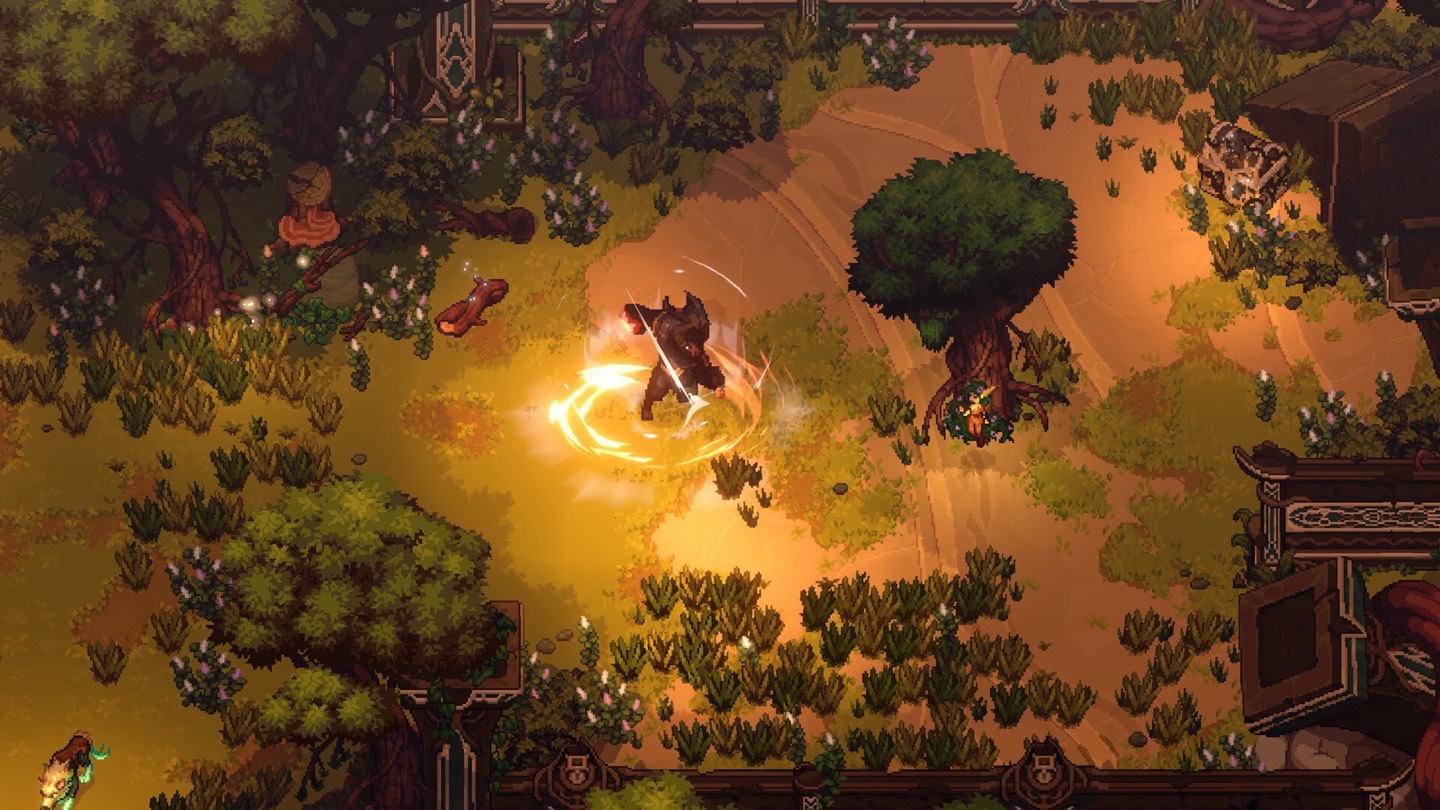
Dimraeth gameplay is one loop made of two halves: you adventure out into the corrupted lands of Mirkea to fight, loot, and gather, then return home to your sanctum to craft, build, cook, and turn everything into lasting power. The official Steam description calls it a hybrid action RPG — deliberate Souls-lite combat and deep character progression welded to crafting and base building — playable alone or with up to seven friends in seamless drop-in/drop-out co-op. This page explains how those systems actually connect, system by system, in the current Early Access build.
Combat: stamina, concentration, and telegraphs
Fights are deliberate rather than flashy. Every physical action — swings, dodges, blocks, parries — drains stamina, while spells consume a mana bar called Concentration. Enemies wind up before they strike, and the game wants you to read those telegraphs and choose between striking, dodging, blocking, or parrying. Blocking converts damage into stamina loss, a parry timed at the last instant can stagger, and community guides report the third hit of a basic chain counts as a Final Attack that some passives reward.
You equip five spells at a time and build rotations around that loadout. Race and class provide their own spells, while crafted spellbooks unlock universal magic — provided you meet each spell's attribute requirements. The official page counts more than 300 spells planned, and community trackers have already documented dozens across eleven elemental schools, from Fire and Ice to Decay and Heal. One interaction worth internalising early: landing basic attacks restores Concentration, so attacking is how you earn the right to keep casting.
Progression: XP as currency
Leveling works unlike most RPGs. Experience pools as a currency, and you spend it — at a trainer, campfire, or fireplace — to raise attributes like Strength, Agility, or Memory. Each level grants skill points, and community guides consistently report two per level. The Early Access cap is 25, with the endgame built around a repeatable deed system offering progressive difficulties.
Your skill tree sprawls in four wings: two for racial skills, two for class skills, and every race-and-class archetype gets a unique tree containing spells and passives no other pairing can use. That is the heart of the game's build identity — an Earthshaker Minotaur Mage and an Elemental Ranger Human Mage share almost nothing. Spellbooks found in the world add universal spells on top, and the whole tree can be reset, so the meta-skill is planning, not permanence.
Survival, rest, and the day cycle
Layered over the action are light survival mechanics. You manage hunger and thirst, and food is more than filler — cooked meals restore hunger and grant combat buffs, some worth real percentages. A day cycle runs in the background, and community guides report it moves at roughly one in-game minute per real second.
Rest points give the loop its rhythm. Campfires fully heal you, refill charged consumables like your health flask, and — the catch — respawn enemies, so the world never runs dry. Sleeping in your sanctum bed during the nighttime window advances the day cycle and grants buffs, which is why community guides recommend ending most sessions there. Fast travel between waygates costs nothing and has no penalty, so the intended rhythm is: explore, teleport home to unload and rest, teleport back to a nearby stone, and continue.
Repeatable content: deeds, events, bounties
The main quest anchors the first act — three chapters, roughly twelve to fifteen hours — but the systems around it are what you will actually live in. Deeds are repeatable quests taken from the Guild Hall board, and each one has a deed level that climbs as you repeat it, raising difficulty and reward quality together. Dynamic events pop up on screen as you explore, stay live for around fifteen real minutes, and pay out chunks of XP that community guides consider some of the best in the game. Beaten bosses return as bounties with rising difficulty tiers, which turns bosses into farmable sources of set gear and skill-recipe materials.
Co-op: heroes travel, worlds remember
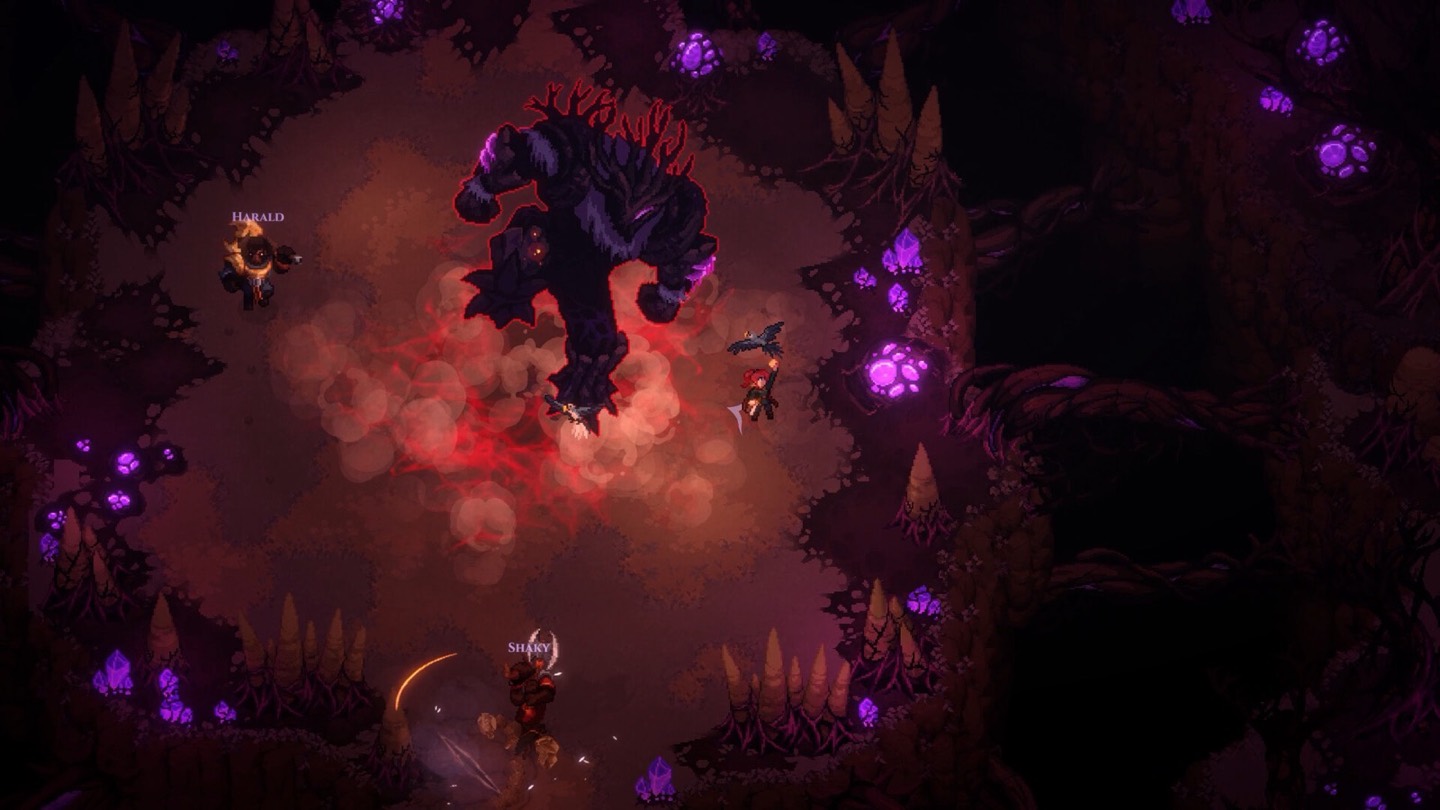
Multiplayer supports one to eight players over peer-to-peer with no dedicated servers. The persistence rule is the important part, and it is stated plainly on the official store page: your hero's level, equipment, inventory, spells, and personal progression travel between worlds, while story progress, recruited allies, and buildings stay tied to each world. In practice, your character is a traveller and every host's world is a shared save.
That split shapes how groups play. A party can pour hours into one world's stronghold, knowing any member can drop in or out without losing their hero, and each player can specialize — tank, caster, skirmisher — to cover roles across the group. For the practical side of that loop, the base-building guide covers sanctum construction, the farming page covers efficient repeatable XP, and the guide hub links every how-to, including healing and saving.
FAQ
What kind of game is Dimraeth?
It is a hybrid action RPG that blends deliberate Souls-lite combat — stamina, dodging, blocking, parrying, and enemy telegraphs — with deep character building, crafting, and base building in a handcrafted pixel-art world, playable solo or with up to eight players in online co-op.
How does leveling work in Dimraeth?
Experience is a currency. You earn XP from quests, kills, and events, then spend it on attributes at trainers or campfires, and spending it also fills your level bar to grant skill points for the four-wing skill tree. The Early Access cap is level 25.
Do enemies respawn in Dimraeth?
Yes. Resting at a campfire fully heals you and refills charged consumables, but respawns the world's enemies. Community guides report death itself has no penalty beyond that same respawn, and your XP is never dropped.
Official sources
Related guides
Browse all →Dimraeth Base Building Guide: Your Sanctum, Station by Station
How base building works in Dimraeth: Faustas blueprint quests, your first workbench, storage chests, farms and the quarry, co-op base rules, and the build order that works.
Dimraeth Controls: Keyboard, Mouse, Controller and Rebinds
Every Dimraeth control option in Early Access: WASD, right-click movement, full controller support, Steam Deck notes, and the settings worth changing first.
Dimraeth Farming Guide: XP, Deeds, Bounties and Events
What Dimraeth farming actually means: repeatable XP from deed quests, bounty board boss hunts, world events, respawning enemies, and sanctum rests. Level fast.
Dimraeth Guide: How to Start Strong in Early Access
A practical Dimraeth guide for the Early Access opening hours: race and class picks, the Lost Caverns start, Earlwood, skill trees, and the loops that matter.
Dimraeth How to Get Water: Every Reliable Source
How to get water in Dimraeth: craft it from your inventory, harvest it from slime-type enemies, and build a well at your sanctum. Every source, checked.
Dimraeth How to Heal: Flasks, Food, Spells and Resting
How to heal in Dimraeth: flask charges from tender berries, campfire rests, cooked food, alchemy potions, and heal spells. Every recovery option explained.