Dimraeth Crafting Guide — Stations, Recipes & Materials
How crafting works in Dimraeth: every crafting station, what each one makes, recipe discovery, and the sanctum workbench loop, checked against Early Access.
Last checked: 2026-09-17 · Facts on this page come from the sources listed above; anything unverified is marked as unconfirmed. Early Access details can change with each official patch.
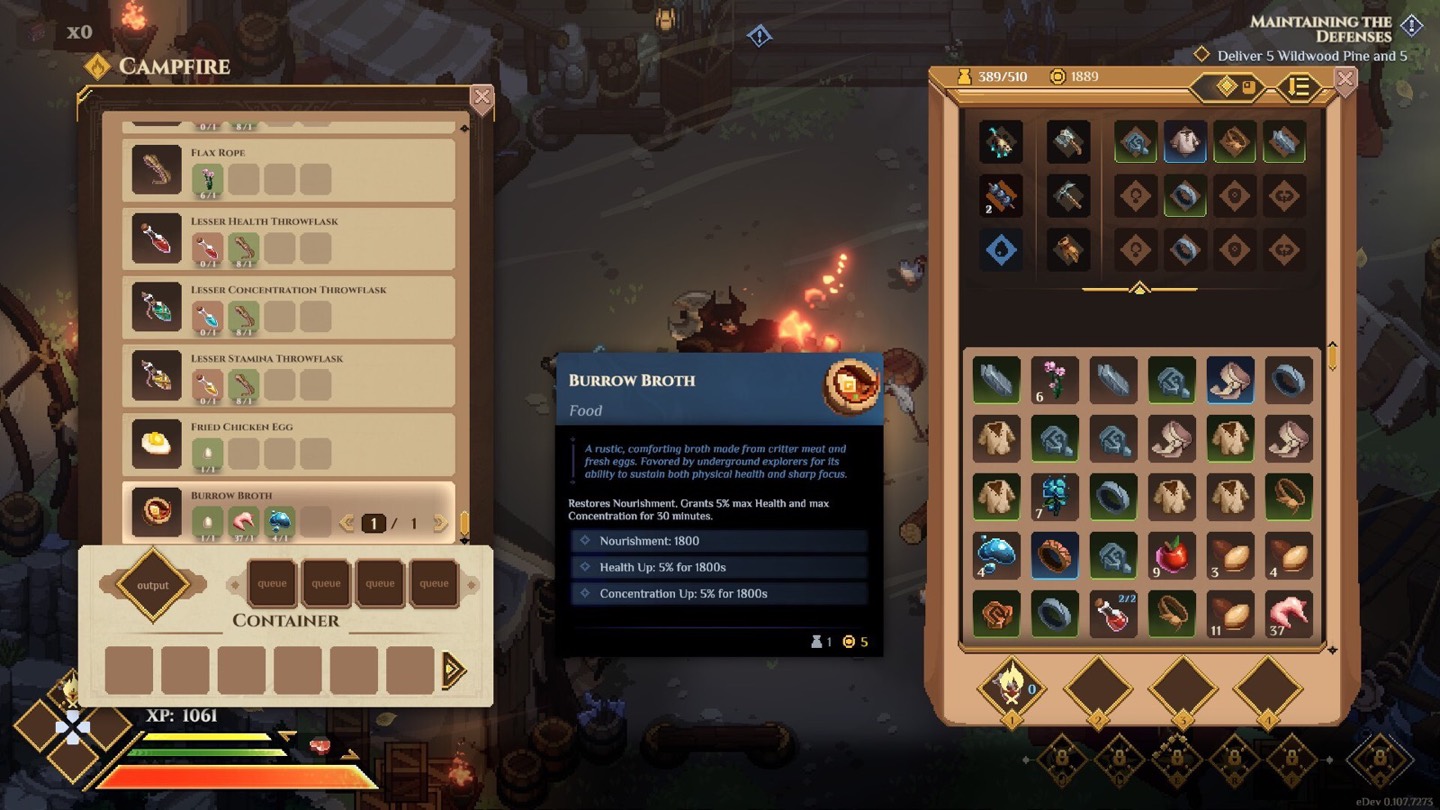
Crafting in Dimraeth is one of the game's core systems, not a side minigame: you gather wood, stone, plants, and monster parts across Mirkea, then turn them into food, potions, tools, furniture, and spell books at the stations in and around your sanctum. Mudtek officially bills "craft your stronghold" as a pillar of the game alongside elemental combat, and the Steam Early Access build that launched on September 15, 2026 ships with the full gather-and-craft loop. This guide explains what each crafting station does, how recipe discovery works, and the crafting sequence most new players follow in their first hours. Exact recipe counts mentioned below come from the community wiki and still need re-verification against the live build.
How the crafting loop works
The rhythm of Dimraeth crafting is simple: leave your sanctum, fight and gather until you are full, then return home to process everything. Materials feed directly into stations — pinewood becomes planks, stone becomes nails, plants become potions, and raw ingredients become meals that restore hunger and thirst while adding combat buffs. Community guides describe a comfortable cadence of roughly an hour of exploring followed by a home trip to sort, salvage, craft, and restock before heading out again.
Two systems make that loop painless. Teleporting is free by design, so community players recommend constant pit stops at the sanctum to drop off materials, cook, and craft before jumping back to a nearby waygate. And resting at a campfire refills your charge-based consumables, so crafted potions and flasks are meant to be spent freely rather than hoarded — resting also fully heals you and respawns enemies, which keeps the resource loop moving.
The crafting stations in Dimraeth
The community wiki, whose documentation still reflects the demo build, organizes crafting into four categories: Cooking with 8 base recipes, Crafting Bench with 9, Alchemy Table with 10, and Personal Crafting with 21 — 48 base recipes in total, excluding upgrade tiers. Because the wiki was built ahead of Early Access, treat these numbers as indicative rather than confirmed; Early Access may have shifted the totals. The station names themselves give you the practical map of where each activity happens.
In practice, community players describe the stations like this. The cooking pot handles meals and drinkable water, which feed the hunger and thirst gauges and can add combat buffs. The workbench processes raw pinewood into planks and stone into nails, then uses those parts to build tools, furniture, and storage chests. The alchemy table brews potions, and personal crafting covers the long tail of everything else you assemble from gathered parts.
What you can craft first
Community guides agree on the opening sequence. After you fight through The Lost Caverns and reach the sanctum site, you are asked to dismantle the wreckage around the area, then pitch a tent and light a campfire. Cooking your first food and water there completes a quest that unlocks the blueprints for your workbench, alchemy station, and storage chest — the three foundations of your crafting base.
You cannot build everything immediately, because construction requires planks and nails. That is why early players recommend prioritizing the workbench: once it stands, it converts pinewood into planks and stone into nails, which unlocks the rest of your building queue. With a storage chest crafted soon after, the heavy wood and stone stops crushing your inventory, and the alchemy station can follow once you have surplus plants.
Tools, gathering, and materials
Harvesting stone deposits and chopping pinewood trees requires an axe and a pickaxe, and gathering higher-grade plants calls for gloves. You can craft these tools yourself at the workbench if you have the materials, but community guides point out an easier route: progress the main quest a little further and the game gives you all three tools for free, so many players skip crafting them entirely.
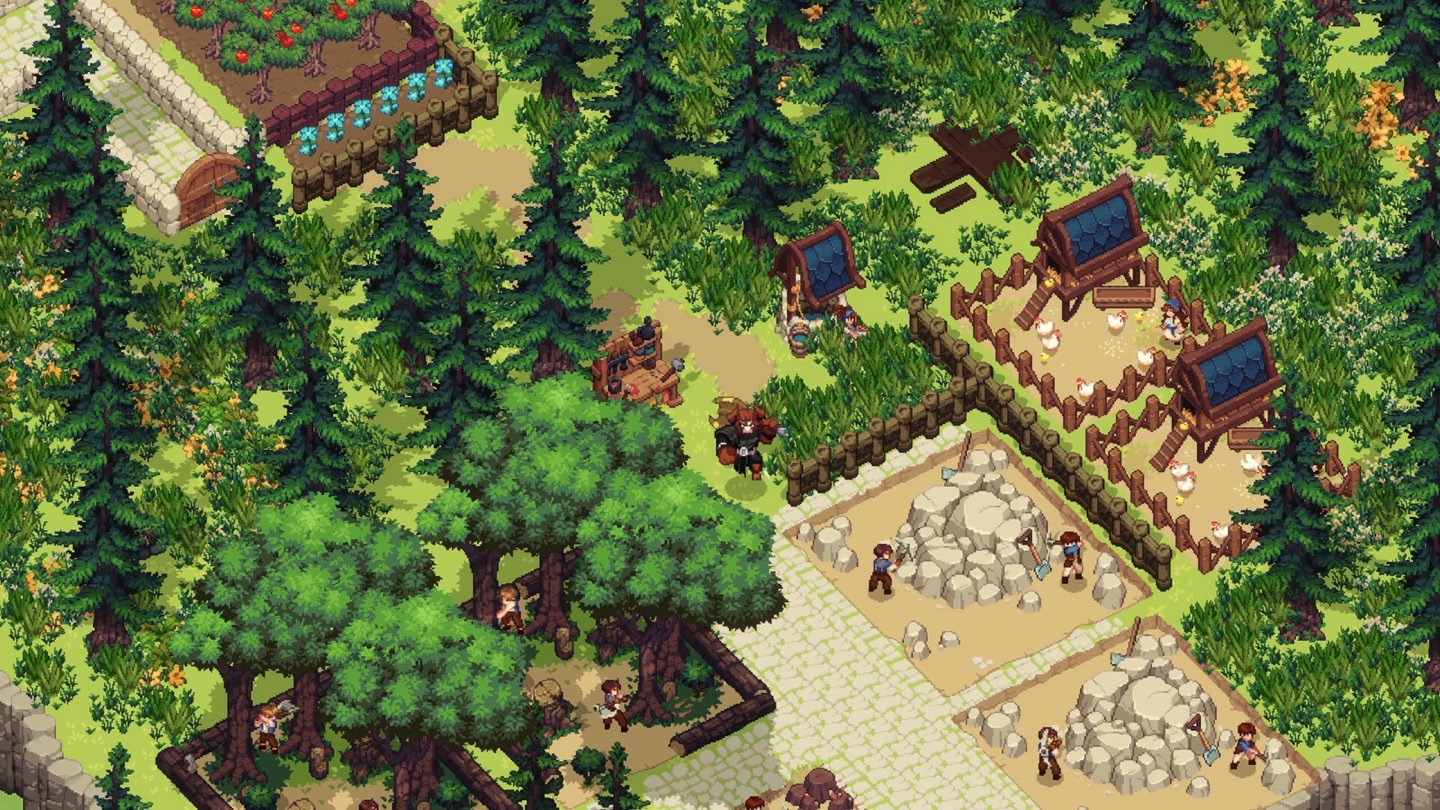
Materials themselves are generous in the starting regions. Stone deposits and pinewood trees cluster around the farmlands near Earlwood Village, and planks and nails also drop from enemies and spawn inside chests and hollow logs. Community players recommend looting everything early — even gear you never plan to wear — because unwanted equipment can be salvaged into upgrade resources at the forge.
Recipe discovery: hints, not hand-holding
Dimraeth deliberately does not reveal most recipes up front. Community reviewers highlight that the game rarely tells you exactly how to make a craftable item; instead, many reagents and materials carry a tooltip segment saying they are "used to craft" a particular item or two, which is a hint rather than a full recipe. Paying attention to those tooltips is the difference between stumbling into discoveries and missing them.
For players who would rather not experiment, there is a shortcut: scrolls drop from different enemies and can also be bought from item shops, and using a scroll unlocks the recipe for a craftable item outright. Spell books work on a similar principle at the Guild Hall trainers — you find or receive a spell book, craft the skill it teaches, then consume it to learn the spell permanently. Our recipes guide covers every unlock route in detail.
How crafting ties into your base
Crafting and base building feed each other. Crafted storage chests multiply the space you have for gear sets and materials, crafted farming tools and seeds let you grow tender berries for flask upgrades, and community players report that a craftable wooden training dummy arrives early, giving you a zero-pressure place to test gear combinations and skill rotations. Investing resources into your facilities expands what they offer and unlocks additional services over time.
For the full picture of what to build first and how the sanctum develops, see our base building guide. The short version for crafters: workbench first, storage immediately after, alchemy as soon as your potion ingredients start rotting in your bags.
Early crafting tips for new players
Community guides converge on a few practical habits. Build the workbench before anything else, because planks and nails gate every other blueprint. Craft a storage chest early and dump heavy materials the moment your movement suffers. Salvage unwanted gear at the forge instead of selling everything, because upgrade resources stay in demand all game. And cook before long trips — food buffs and filled hunger and thirst gauges are cheap power that new players skip for no good reason.
Mudtek has signaled through Early Access communications that crafting and building systems will keep deepening over the planned 18–24 month development window, so expect the station list and recipe pool to grow between patches. We re-check this page after every notable update.
Related guides
FAQ
Does crafting exist in the current Dimraeth Early Access build?
Yes. Crafting and base building are core systems in the Steam Early Access version that launched on September 15, 2026. You gather materials across Mirkea and process them at stations around your sanctum and in Earlwood Village.
How many crafting recipes are in Dimraeth?
The community wiki lists 48 base recipes across four crafting categories — Cooking, Crafting Bench, Alchemy Table, and Personal Crafting — but that documentation was written around the demo and has not been re-verified for Early Access. Treat the count as indicative, not confirmed.
Do you need to find recipes before you can craft?
Often, yes. Community players report that Dimraeth does not fully reveal recipes: material tooltips hint at what an ingredient can make, and scrolls dropped by enemies or sold in shops unlock recipes outright. See our recipes guide for the details.
Official sources
Related guides
Browse all →Dimraeth Armor Guide — Sets, Set Bonuses & Smithy Upgrades
Dimraeth armor explained: set bonuses you can mix across sets, smithy upgrades that add stats, salvage at the forge, and how to farm the pieces you want.
Dimraeth Equipment Guide — Gear Slots, Tiers & Set Bonuses
Dimraeth equipment explained: gear slots and quality tiers, affixes and set pieces that reshape spells, plus salvage, upgrades, and where good drops come from.
Dimraeth Recipes: How to Unlock Every Crafting Recipe
Dimraeth recipes are discovered, not listed: material hints, enemy-dropped scrolls, and trainer spell books. Here is every confirmed way to unlock recipes.
Dimraeth Spells Guide — Schools, Spell Books & Requirements
How spells work in Dimraeth: the planned 300+ spell scope, the schools documented so far, spell books and stat requirements, and every way to learn new magic.
Dimraeth Weapons Guide: Race-Locked Arms & Upgrades
Weapons in Dimraeth are race-locked: your race picks the weapon and your class adds spells. What community guides report about arms, skills, and upgrades.